What does it cost to visit Yellowstone?

Annual Park Pass

Whether you’re planning a single visit or coming back multiple times a year, enjoy the convenience of purchasing a Yellowstone National Park site-specific digital pass on Recreation.gov before you arrive. You have immediate access to your digital pass and can easily download it on your phone or tablet. Your pass will also be emailed as a PDF and can be printed out for display when you arrive.

Seven-day Passes

Good for entry into Yellowstone National Park for seven days from the date of purchase.

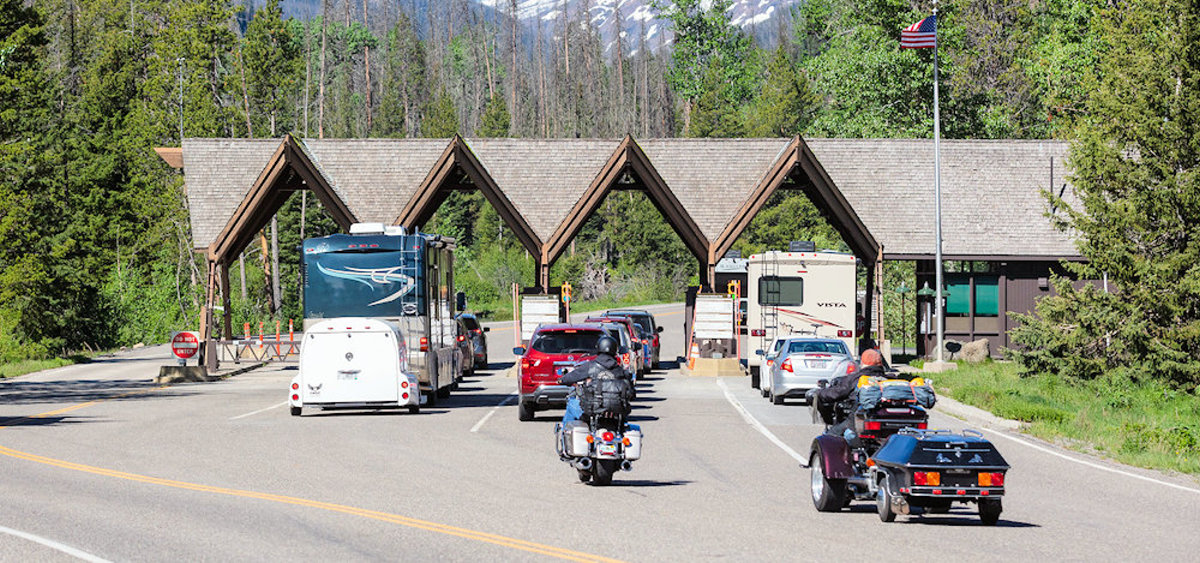
  • Private, non-commercial vehicle: $35
  • Motorcycle or snowmobile: $30
  • Individual (by foot, bicycle, ski, etc.): $20/person

Annual Pass

Annual pass providing free entrance into Yellowstone National Park for one year (valid through the month of purchase). On a snowmobile, this pass admits the signer(s). When traveling by snowcoach or shuttle, this pass admits a signer and up to three additional persons (16 and older) for a total of four people.

  • Yellowstone National Park Annual Pass: $70.00

Regulations and Exceptions

  • All passes are non-transferable.
  • All snowmobiles must be on a guided tour or permit.
  • School groups and other bona fide national and international academic institutions may be eligible for an Academic Fee Waiver.
  • Anyone age 15 or younger is exempt from paying entrance fees.
  • Passes may be used for entry as defined on the back of the pass.
  • Anyone traveling through the park for business or commercial purposes needs a commercial travel permit.

For a complete list of entrance fees including veterans, military and commercial fees visit our Complete Entrance Fee page.
What roads are open now

  • For up-to-date information consult the map below, call (307) 344-2117 for recorded information, or sign up to receive Yellowstone road alerts on your mobile phone by texting “82190” to 888-777 (an automatic text reply will confirm receipt and provide instructions).
  • Open roads may close temporarily due to inclement weather and other reasons.
  • Open roads are not gated at night: people may enter/exit the park 24 hours a day, seven days a week.

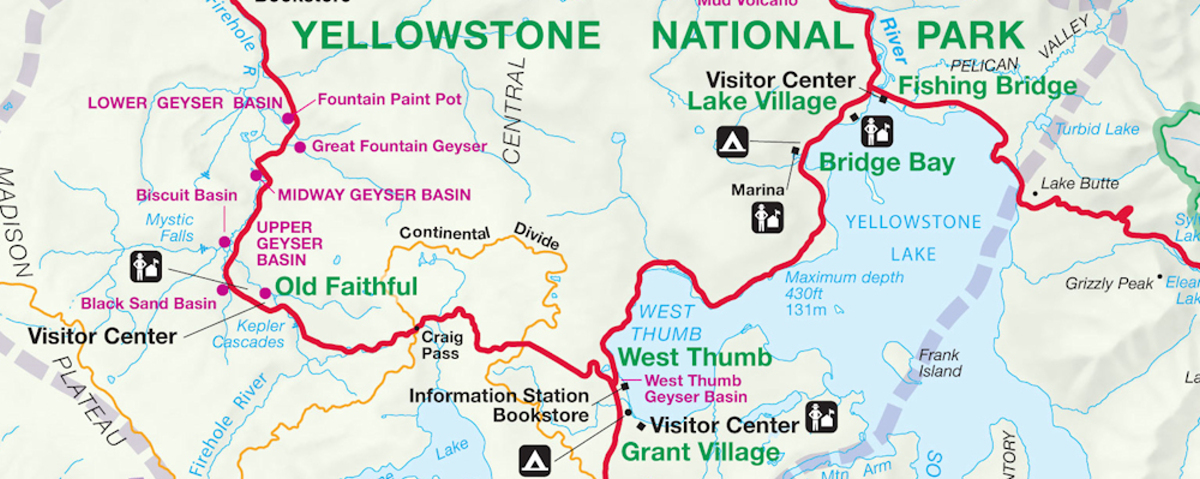
The map below shows the current status of all park roads. Green roads indicate roads that are open to auto travel and red roads indicate roads that are closed to all travel. Temporary closures are always possible.

Where should I stay when Yellowstone is full?

When lodging inside Yellowstone National Park is fully booked (which is common, especially during the peak summer months), your best option is to stay in one of the surrounding gateway towns in Montana, Wyoming, or Idaho.

These towns offer a wide range of accommodation, dining, and gas options, but they will require more driving time to reach the park’s main attractions.

📍 Best Gateway Towns by Location

The most popular towns are located right outside a park entrance and are the best base camps for exploring different areas of Yellowstone:

Gateway TownPark Entrance ServedBest for ExploringPros & Cons
West Yellowstone, MTWest EntranceOld Faithful, Grand Prismatic Spring, and the main Geyser Basins (Lower Loop) [Source 1.5, 3.1].This is the most popular and busiest gateway town with the largest selection of hotels, restaurants, and shops. It can feel very touristy. Drive time to Old Faithful is about 1 hour.
Gardiner, MTNorth EntranceMammoth Hot Springs, Lamar Valley (best for wolf/wildlife viewing), and the Roosevelt Arch [Source 3.1, 3.6].This is the only entrance open to vehicles all year. It has a great local, laid-back vibe, and is less touristy than West Yellowstone. Drive time to Old Faithful is about 1 hour 45 minutes.
Cody, WYEast EntranceYellowstone Lake and Hayden Valley.A true “Wild West” town with excellent museums (like the Buffalo Bill Center of the West) and a nightly summer rodeo. It’s a great destination itself. Longest drive to major attractions, about 2 hours 45 minutes to Old Faithful.
Cooke City-Silver Gate, MTNortheast EntranceLamar Valley (prime wildlife viewing) and the scenic Beartooth Highway [Source 1.6, 2.5].A very small, rustic village perfect for solitude and escaping the crowds. The Beartooth Highway to it is stunning but is typically closed from October to May.
Jackson Hole (Jackson, WY)South EntranceGrand Teton National Park (which you drive through to reach Yellowstone’s South Entrance) [Source 3.1].Famous for its upscale lodging, dining, and proximity to the Teton mountains. Best for a combined Yellowstone/Grand Teton trip. Drive time to Old Faithful is about 1 hour 10 minutes.

🏘️ Other Nearby Options

For even more availability, especially if you are comfortable with a longer commute to the park entrance:

  • Island Park, ID: About 30-45 minutes from the West Entrance, offering a quieter, more remote feel with plenty of rentals, motels, and campgrounds.
  • Bozeman, MT: A large college town about 1.5 to 2 hours from the West Entrance. It’s a convenient option if you are flying into the Bozeman Yellowstone International Airport (BZN) and offers excellent dining and entertainment.
  • Big Sky, MT: About 1 to 1.5 hours from the West Entrance, offering more luxury accommodations, particularly in the summer and winter resort season.

Visit our Lodging Page for more detailed information.

Where should I stay near Yellowstone?

Each of the five entrances to Yellowstone is adjacent or near a gateway community. The various lodging options in the gateway communities run the gamut from relatively inexpensive to upscale and expensive, and include national chain lodging properties as well as unique, local accommodations.

Your choice of lodging in a given gateway community will involve some driving time to see Yellowstone. During your Yellowstone visit you may want to make reservations in more than one gateway community in order to more easily see more of the park.

The west entrance is the most popular park entrance. Adjacent to the west entrance is the town of West Yellowstone, Montana, a gateway community featuring many lodging options from guest ranches to hotels to home rentals to glamping and camping. West Yellowstone is 30 miles from Old Faithful Village.

At the northern entrance to the park the small town of Gardiner, Montana offers a variety of hotels and home rentals. Gardiner is five miles from Yellowstone’s Mammoth Village.

Near Yellowstone’s northeast entrance are the adjacent communities of Cooke City and Silver Gate, Montana. Accommodations include hotels and rentals. Cooke City and Silver Gate are in the vicinity of the famed Lamar Valley, renowned as the best place to watch the park’s wolves.

Within fifty miles east of the park’s east entrance are a number of hotels, campgrounds and dude ranches. The famous Old West town of Cody, Wyoming is fifty miles from Yellowstone’s east entrance and offers many hotel and cabin options.

Grand Teton National Park is south of Yellowstone. Hotel rooms and cabins are available in Grand Teton National Park and in Jackson, Wyoming, yet further to the South.

Visit our Lodging Page for more detailed information.

Where should I stay in Yellowstone?

If you wish to lodge inside of Yellowstone National Park, it is best to plan well ahead of time as most of the rooms inside the park fill a year ahead of time.

The park is very large. When choosing a lodging option, one approach is to pick a hotel or lodge near attractions you wish to visit.

Be advised that lodging inside Yellowstone contains no televisions, swimming pools or many other modern amenities.

Old Faithful Inn
Old Faithful Inn

Built in 1903/04, the Old Faithful Inn is the most iconic and most popular lodge in Yellowstone. A world-renowned lodge made of lodgepole pine logs, the Inn features a variety of rooms and is situated in Old Faithful Village adjacent to the Upper Geyser Basin and near Old Faithful Geyser, the most popular attraction in the park. Other lodging options in the village include the Old Faithful Snow Lodge (hotel rooms and cabins) and the Old Faithful Lodge (cabins).

Many other lodging options are also available in Yellowstone.

Lake Village is home to the Lake Yellowstone Hotel and Cabins, the most upscale lodging facilities in the park. Also in Lake Village are the Lake Lodge and Cabins, another popular lodging option.

Also in the interior of Yellowstone is the newly-remodeled Canyon Lodge and Cabins, located near the Grand Canyon and Lower Falls of the Yellowstone River.

North of the Canyon Lodge and Cabins is the Roosevelt Lodge, the smallest of the lodging villages and the most rustic cabins in the park.

The Mammoth Hotel and Cabins in Mammoth Hot Springs are located near Yellowstone’s northern entrance. Grant Village Hotel, a 1960s-era structure, is near the southern entrance.

In addition to lodges, hotels and cabins, many roadside public campgrounds are available throughout Yellowstone.

Visit our Lodging Page for more detailed information.

When is Yellowstone open?

Although Yellowstone National Park is open year around, the park is fully accessible only from late May/early June to late October.

The northern section of the park’s roadway, from the North entrance at Gardiner, Montana to the northeast entrance at Cooke City, Montana is the only portion open year around.

Mid-December through early March is winter season, during which oversnow vehicles are permitted on snow-groomed roadways of the lower loop of the park, and from Mammoth Hot Springs to Norris Geyser Basin.

From mid-March to mid-April park crews work on clearing the roads of snow. In early-to-mid April the park’s roads open for about two weeks of bicycle access only.

Lower elevation roads begin opening to automobile traffic in late April, and by about early June, depending on weather conditions, all of the roads in the Park are open to automobile traffic.

Then, depending on weather conditions, higher elevation roadways in Yellowstone begin closing in late October. All roads except the northern section close by the second week of the November. And in mid-December, some park roads, as noted above, open for oversnow vehicles.

What would happen if the volcano in Yellowstone erupted?

The eruption of the Yellowstone Caldera (often called the Yellowstone supervolcano) would be a catastrophic event with local, national, and global consequences. The massive eruption that formed the caldera 640,000 years ago was one of the largest known volcanic events on Earth.  

Geologists categorize a potential eruption into three main scenarios: steam explosions, lava flows, or a massive caldera-forming eruption. The massive eruption is the least likely, but has the greatest impact.


🌋 1. Catastrophic Caldera-Forming Eruption (Least Likely)

This is the event most people fear, known as a VEI 8 eruption (Volcanic Explosivity Index).

Local and Regional Impact

  • Massive Ashfall: Huge volumes of volcanic ash would be ejected high into the atmosphere, creating a column that could reach 16 to 31 miles high.
  • Pyroclastic Flows: Extremely hot clouds of gas, ash, and rock would flow rapidly across the landscape, devastating everything within 40–60 miles of the caldera.
  • Blanketing Ash: Areas within 300 miles of Yellowstone, including large parts of Wyoming, Montana, Idaho, and possibly Utah, would be buried under meters of ash. This ash would kill plants, collapse roofs, destroy roads, contaminate water supplies, and render the area uninhabitable for decades.
  • Immediate Environmental Destruction: The blast and subsequent ashfall would cause the extinction of most wildlife within the park and surrounding areas.

National and Global Impact

  • Continental Disruption: Ash would drift across the entire continental United States, with a measurable amount falling as far as the East Coast. The sheer weight of the ash would collapse structures, clog machinery, and shut down transportation (airports, major highways, and railways) across the country.
  • Agricultural Collapse: Ashfall would destroy crops and pastureland across the Midwest, leading to a global food crisis.
  • Climate Change (Volcanic Winter): Sulfur aerosols injected into the stratosphere would scatter sunlight, causing a measurable drop in global temperatures—a “volcanic winter.” This could last for several years, shortening growing seasons and causing widespread famine.

💨 2. Lesser Eruptive Scenarios (More Likely)

The two most likely volcanic events are smaller, more localized hazards:

  • Lava Flow: A non-explosive eruption where highly viscous magma flows over the land. It would likely be contained within the park’s boundaries and move slowly, posing a threat to local infrastructure but not causing continental disruption .
  • Hydrothermal (Steam) Explosion: This is the most common and likely type of event. It occurs when superheated water trapped beneath the surface flashes to steam, causing an explosion of rock, dirt, and water. These are not related to magma but are highly destructive on a local scale, possibly creating a new hydrothermal feature or enlarging an existing one .

⚠️ Current Status and Monitoring

It is important to note that the U.S. Geological Survey (USGS) considers the probability of a catastrophic eruption in any given year to be extremely low—around one in 730,000.  

The Yellowstone Volcano Observatory (YVO) monitors the caldera 24/7 for signs like ground deformation, changes in gas emissions, and seismic activity. Any massive eruption would be preceded by months or years of intense warning signs, providing time for evacuation and preparation.

Visit our Geology Page for more detailed information.

Can you drive in Yellowstone?

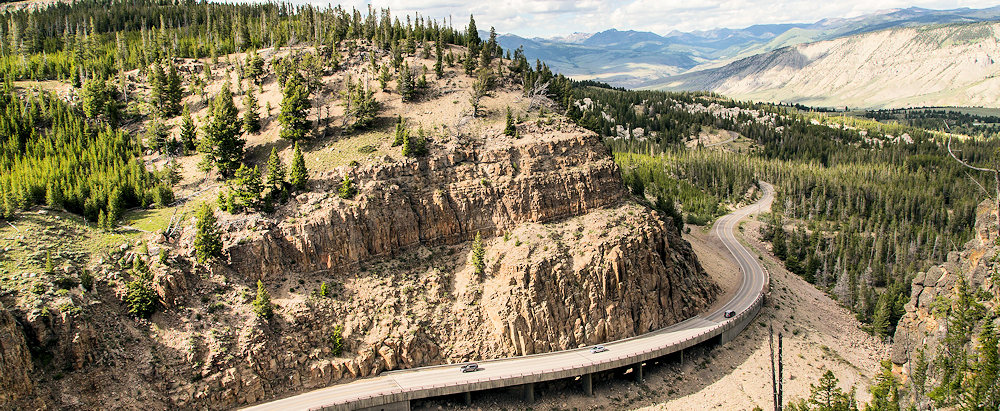
The northern section of Yellowstone, from the North entrance at Gardner, Montana to the Northeast entrance at Cooke City, Montana, is open to automobile traffic throughout the year. All roads in the Park are generally open from June through late October, depending upon weather conditions and/or road construction projects. Roads in the park in addition to the northern section are partially open from late April through May, late October, and the first week of November.

When open, the main roads in Yellowstone are accessible by automobiles and motor homes alike. Motor homes and otherwise oversized vehicles, however, are not allowed on many of the side roads in the park.

What is the best time to visit Yellowstone?

Shoulder Seasons: Best for Mild Weather and Fewer Crowds

The months just before and after the peak summer season are often considered the sweet spot:

  • Late April/May: Offers opportunities for seeing baby animals like bear cubs and elk calves as they emerge from winter . The landscape starts turning green, and crowds are generally lighter than in summer. Be prepared for unpredictable weather—snow, mud, and chilly temperatures are still possible, especially in early spring. Most park roads typically open by mid-May .
  • September/Early October: Provides a good balance of milder weather and significantly fewer crowds after Labor Day . Wildlife is very active, preparing for winter, and it is the prime time for viewing the elk and moose rut (breeding season), which features the sounds of bugling elk . Fall foliage is best in late September to early October .

☀️ Summer: Best for Accessibility and Warmest Weather

  • June, July, and August are the peak season with the warmest, most dependable weather.
  • All roads and facilities are open, providing the greatest accessibility for hiking and exploring all parts of the park.
  • Be prepared for crowds, especially at major landmarks like Old Faithful and at park entrances. Traffic jams are common.

❄️ Winter: Best for Solitude and Unique Views

  • Mid-December through Mid-March is the low season, with the least amount of visitors.
  • The park transforms into a winter wonderland, with incredible contrast between the steamy hot springs and the snowy landscape.
  • It’s the best time for wildlife viewing in the Northern Range (Lamar Valley), particularly for spotting wolves, bison, and elk.
  • Most roads are closed to regular vehicles, but you can access areas via snowmobiles or snowcoaches. The road between Gardiner, MT, and Cooke City, MT (Northern Entrance), remains open to cars year-round.