Grizzly Bear

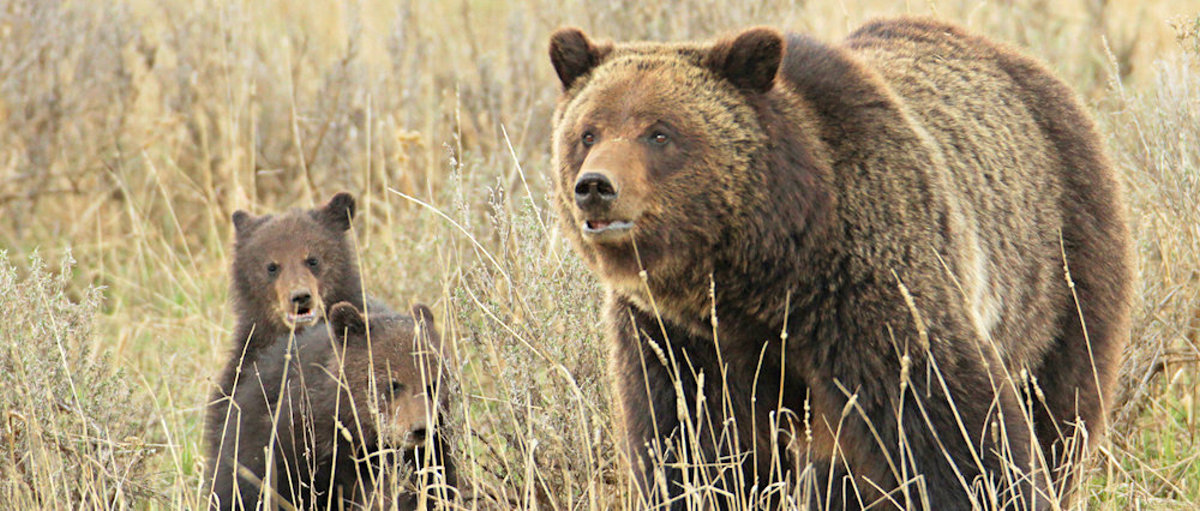
Sow Grizzly Bear with Cubs

Seeing a grizzly in Yellowstone is priceless.Getting too close to one is foolish. The Grizzly Bear is a powerful predator, capable of out sprinting a horse, and weighing as much as 350-600 pounds. Grizzlies are omnivorous, meaning they eat both meat and plants. In Yellowstone, grizzlies feed on elk, trout, bison carrion, pine nuts, grasses, … Read more
Elk

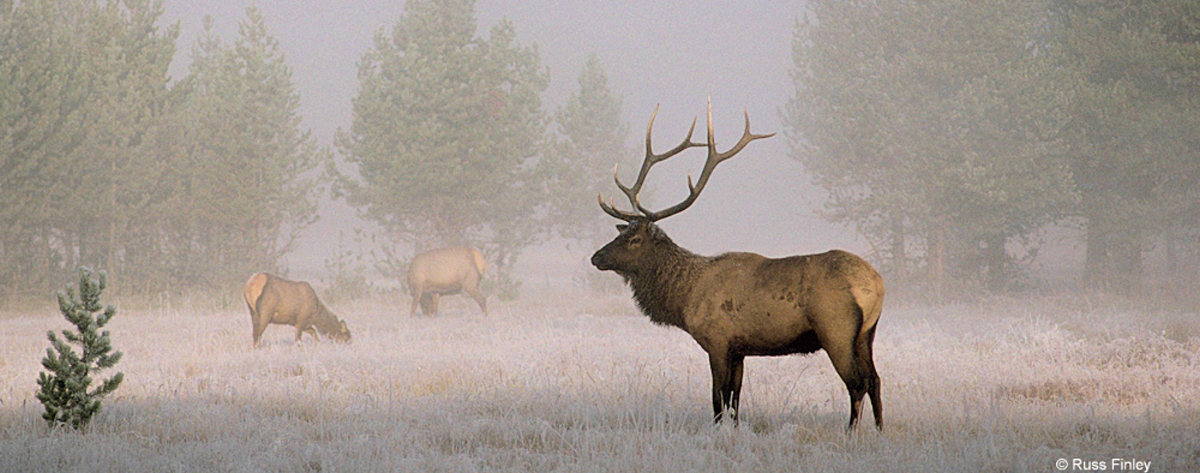
Bull Elk

The elk is the most abundant of the large mammals of Yellowstone National Park. Oftentimes reaching the size of a large horse, elk can be seen throughout Yellowstone year-around. The cows and calves oftentimes travel in large groups of a hundred or more during the summer months, while the males tend to travel by themselves … Read more

Bald Eagle

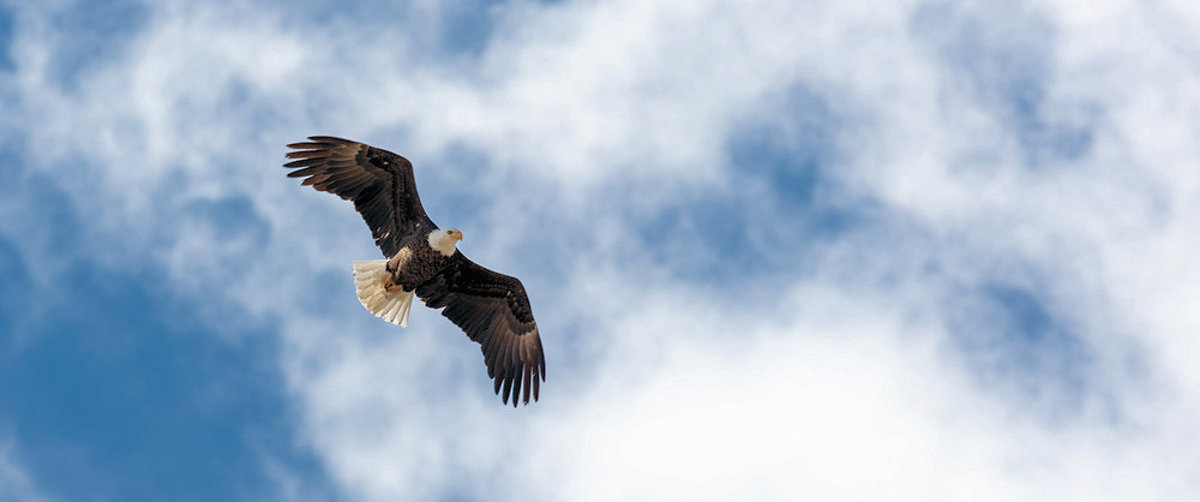
Bald Eagle

Bald eagles are one of two species of eagle in Yellowstone, the other is the golden eagle. They are raptors and carnivores, seeking a diet of fish, waterfowl, rodents and small mammals. They also scavenge from the carcasses of large animals such as elk and bison. Where to find themBald Eagles are frequently seen along … Read more

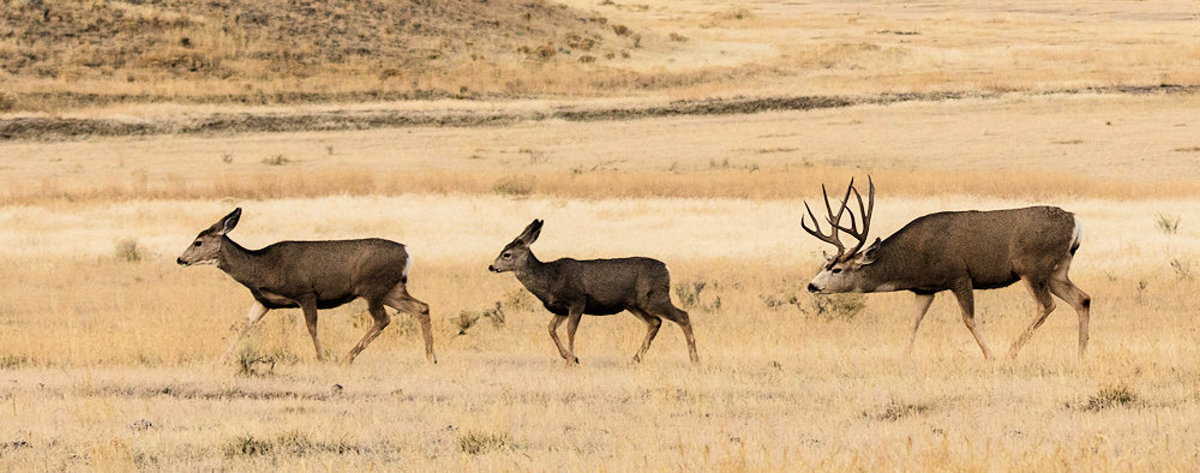
Mule Deer

Mule Deer

Mule deer, also known as black-tail deer, are ideally suited to the rugged slopes of the Rocky Mountains. A large number inhabit the park in summer, but most migrate to lower elevations, or “winter range” outside the park in the winter. Like the elk and bison, mule deer were reduced to dangerously low numbers in … Read more

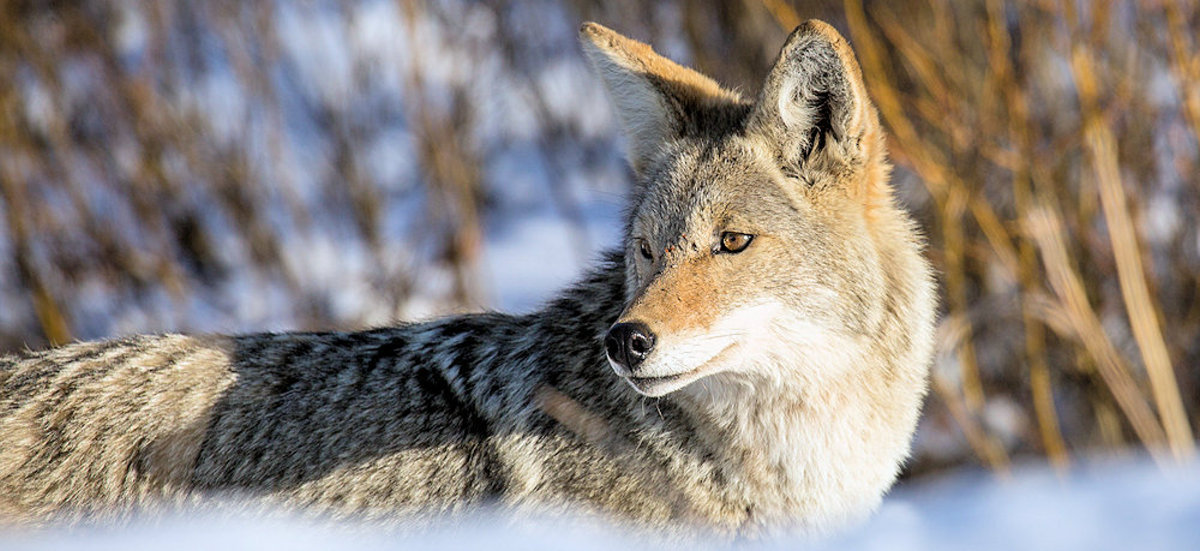
Coyote

Coyote

Having survived the same extermination campaigns that eliminated wolves from the park between 1910 and 1930, coyotes have by default become the predominant canine predator. The restoration of the wolf in Yellowstone has changed this status. Although the coyotes fur varies in color, the majority of adults have grizzled grey coats with a white underbelly, … Read more

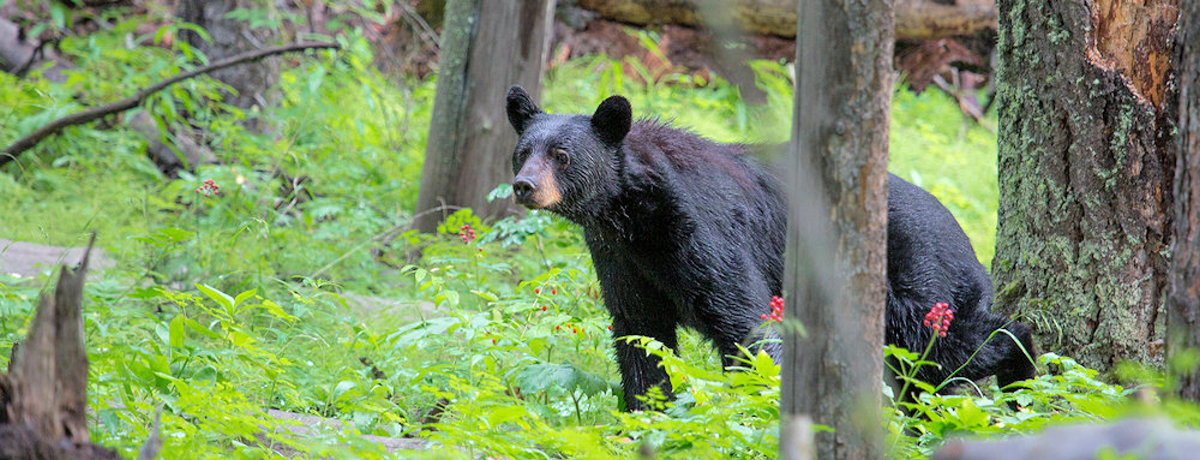
Black Bears

Black Bear

Black Bears are the most numerous member of the bear family in North America, and are found from the Pacific to the Atlantic coast. There are an estimated 500-600 black bears inhabiting Yellowstone National Park. Black bears are not all black; their coats can be cinnamon, blonde, brown or black. Brown -colored black bears are … Read more

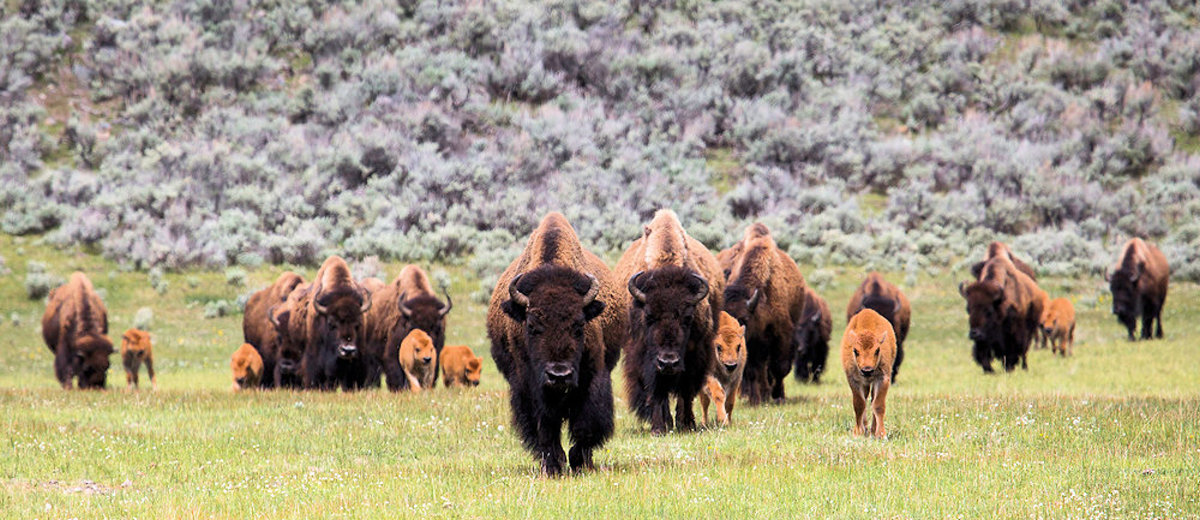
Bison

Bison Herd with Calves

The Yellowstone bison story covers more than one hundred years of struggle and conflict surrounding one of America’s most majestic animals. In the early 1800’s, an estimated 65million bison roamed throughout the continent of North America. However, market hunting and poaching had a devastating effect on the bison population; and by 1890, fewer than 1,000 … Read more

Bighorn Sheep

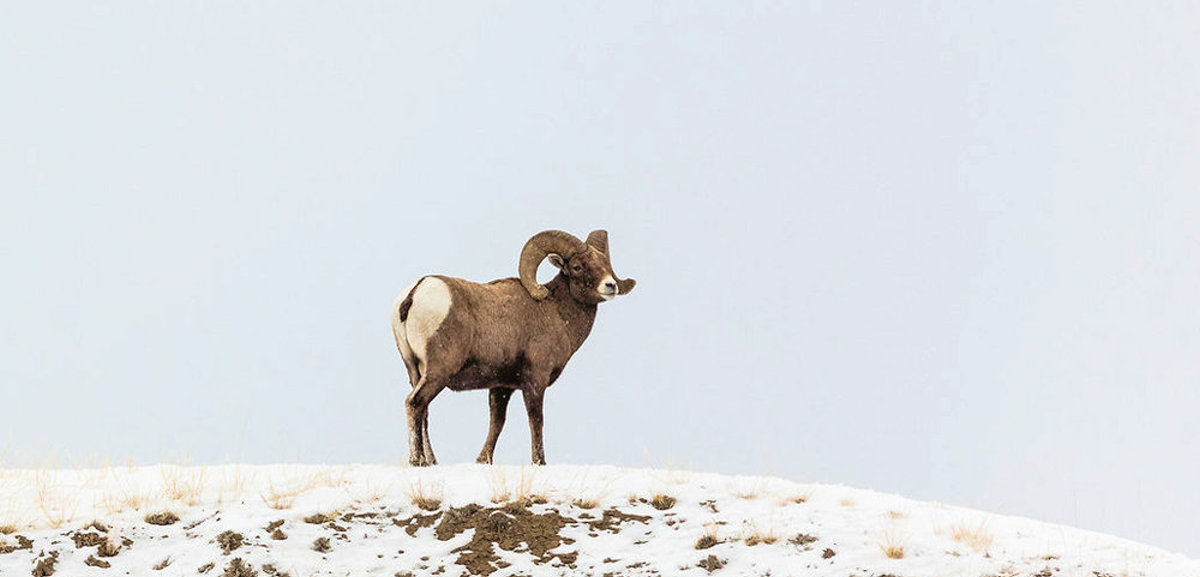
Bighorn Sheep

Although Bighorn sheep prefer the grasses and sedges found in open meadows, they find safety on rocky ledges and rugged terrain. They are nimble and have a well-developed sense of balance, allowing them to seemingly walk on sheer cliffs and mountain sides. Newborn lambs are prey for eagles, mountain lions and bobcats.The tremendous horns of … Read more