Wolves

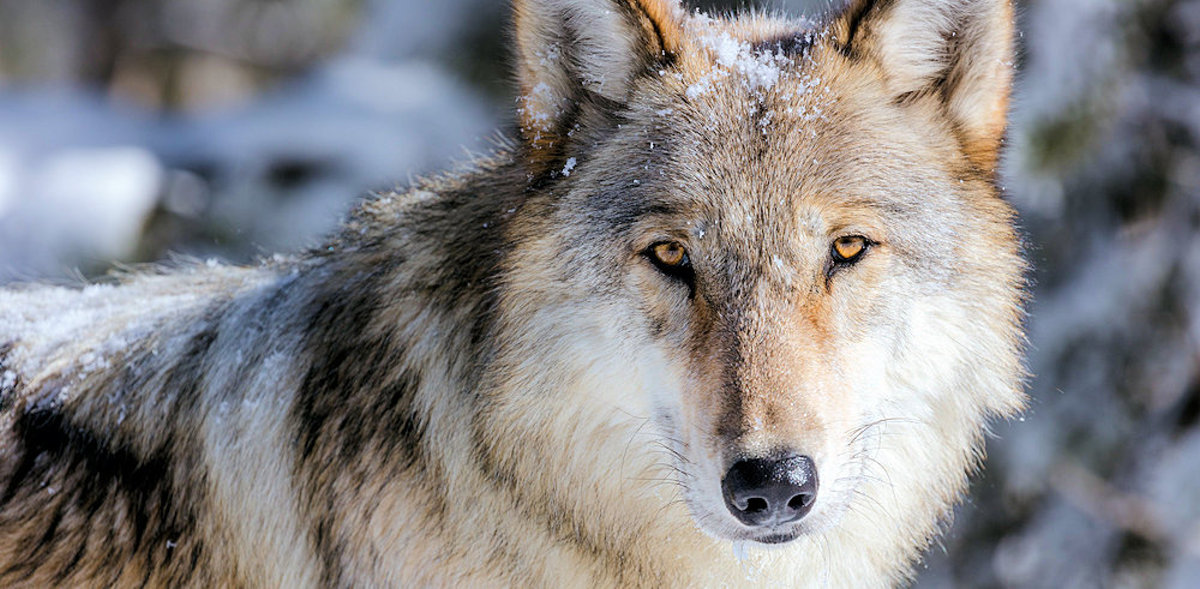
Undoubtedly, one of the more popular species now found in Yellowstone Park is the gray wolf (Canis lupus). Many park visitors spend time watching for wolves in the park’s Lamar Valley. (Silver Gate Lodging is the preferred place to stay for many wolf watchers.) The adult male gray wolf stands 26 to 38 inches high … Read more

Trumpeter Swans

Trumpeter Swans

Trumpeter swans are the largest waterfowl in North America, and easily the biggest flyers in Yellowstone. The wingspan of males (cobs) can reach seven feet. Cobs weigh between 25 and 30 pounds, while females (pens) weigh 23 to 27 pounds. The trumpeter is generally bigger and heavier than the eagle. The trumpeter swan, native only … Read more

Pronghorn

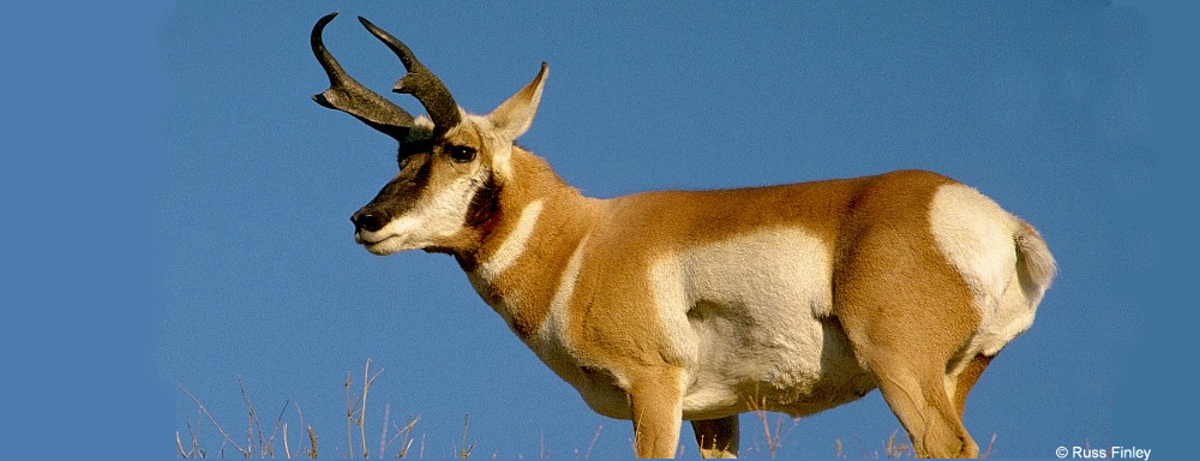
Pronghorn Antelope

The Pronghorn is the fastest North American land animal, capable of reaching speeds of up to 60 miles per hour. The pronghorn’s speed is its main defense against predators. The newborns, for the first few days of their lives, are vulnerable to coyotes.The mother guards them closely, and they oftentimes remain perfectly still, their dappled … Read more

Moose

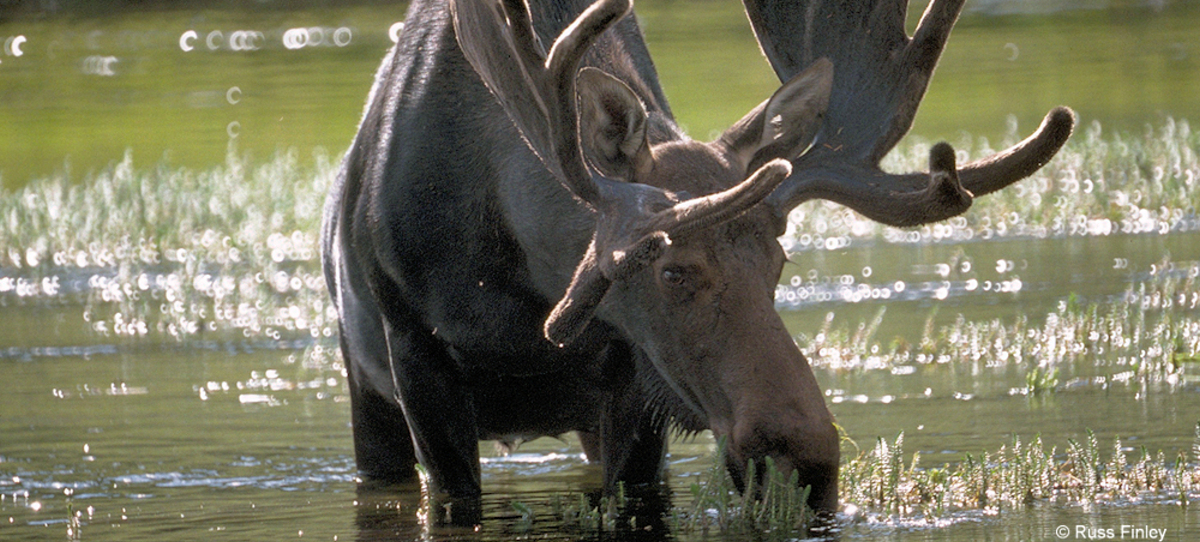
Bull Moose in Madison River

While bison and elk are common sights in Yellowstone, the Moose (Alces alces) is the park’s most elusive “giant.” In 2026, spotting one is considered a major victory for wildlife watchers, as the park’s population is estimated at fewer than 200 individuals. Where to Find Them Moose are “browsers” that prefer marshy, riparian areas filled … Read more

Grizzly Bear

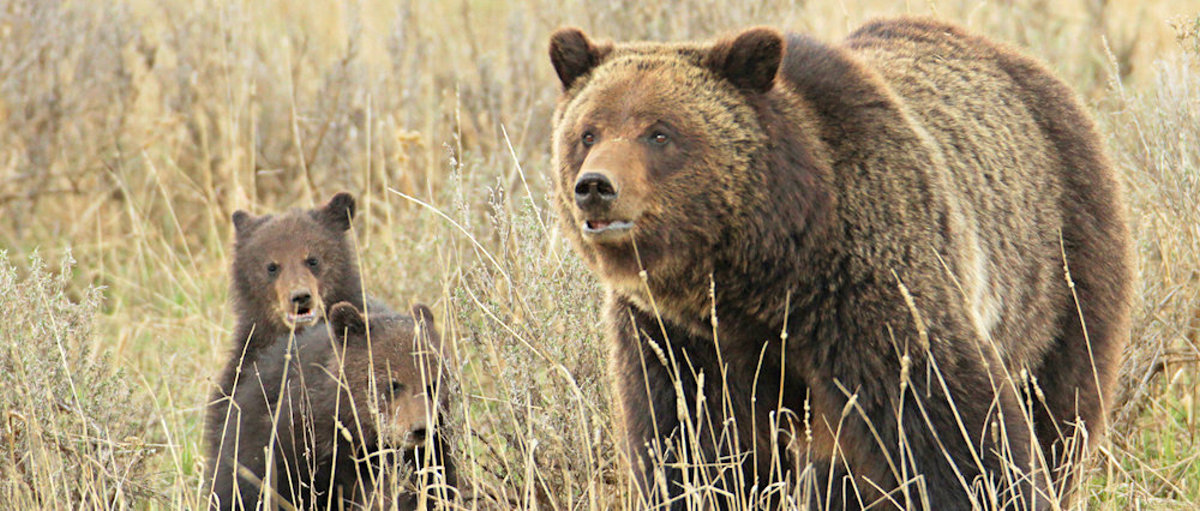
Sow Grizzly Bear with Cubs

Seeing a grizzly in Yellowstone is priceless.Getting too close to one is foolish. The Grizzly Bear is a powerful predator, capable of out sprinting a horse, and weighing as much as 350-600 pounds. Grizzlies are omnivorous, meaning they eat both meat and plants. In Yellowstone, grizzlies feed on elk, trout, bison carrion, pine nuts, grasses, … Read more

Elk

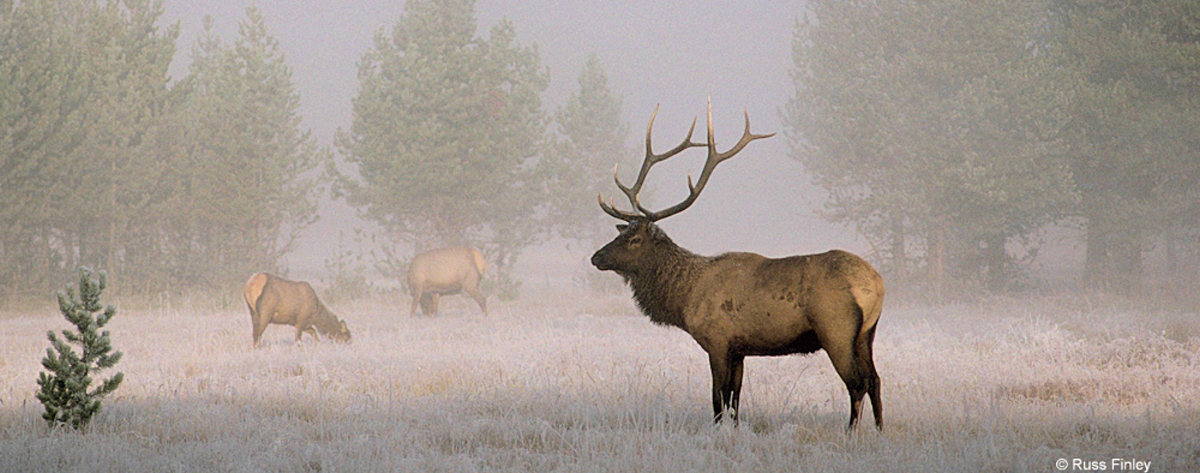
Bull Elk

The elk is the most abundant of the large mammals of Yellowstone National Park. Oftentimes reaching the size of a large horse, elk can be seen throughout Yellowstone year-around. The cows and calves oftentimes travel in large groups of a hundred or more during the summer months, while the males tend to travel by themselves … Read more

Bald Eagle

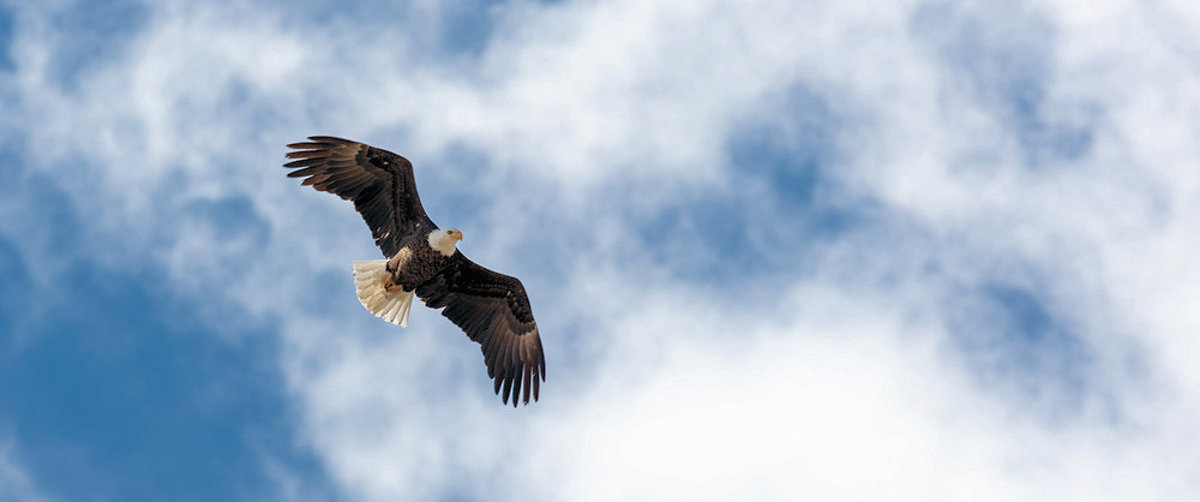
Bald Eagle

In Yellowstone National Park, the bald eagle is more than just a national symbol—it is a conservation success story that has transformed from an endangered rarity into a frequent sight for visitors. Where and When to Spot Them Bald eagles are year-round residents in Yellowstone, though their locations shift with the seasons: Key Facts at … Read more

Mule Deer

Mule Deer

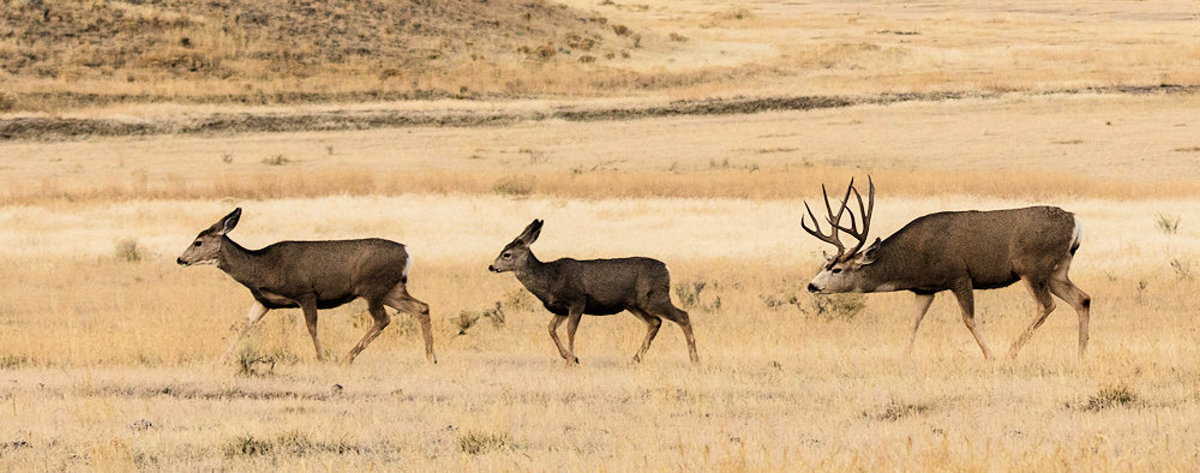
Named for their oversized, expressive ears, the Mule Deer (Odocoileus hemionus) is a staple of the American West and one of the most frequently encountered mammals in Yellowstone. While they might look like “just a deer” compared to a grizzly or a wolf, they are masters of high-altitude survival and possess some of the most … Read more

Coyote

Coyote

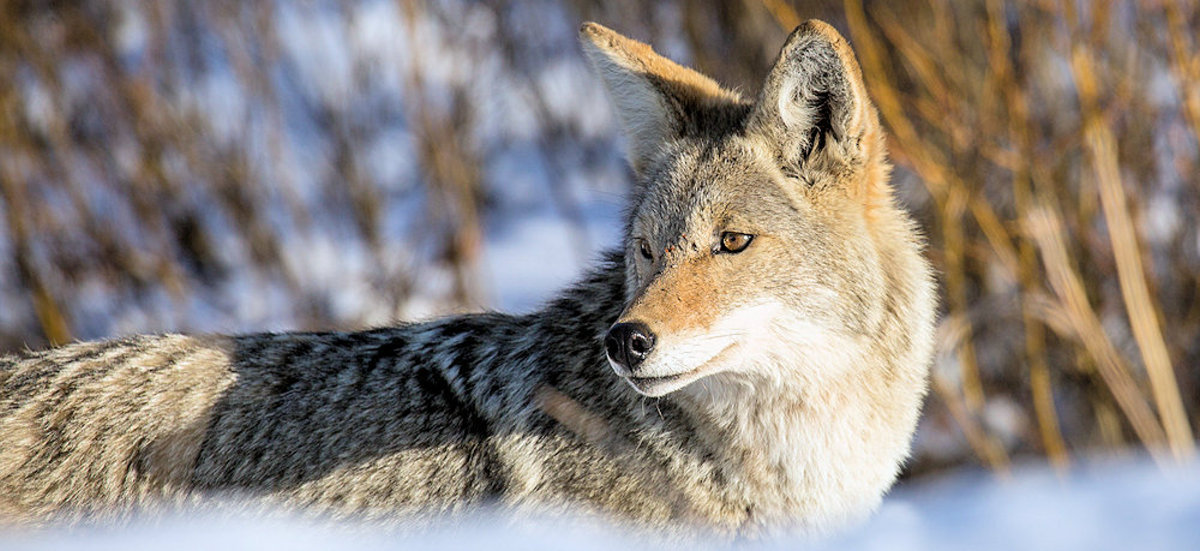
Often overshadowed by their larger cousin, the gray wolf, the coyote (Canis latrans) is one of the most resilient and visible predators in Yellowstone. While wolves were absent from the park for 70 years, coyotes reigned as the top canine, adapting to every corner of the ecosystem. Where to Find Them Coyotes are habitat generalists, … Read more

Black Bears

Black Bear

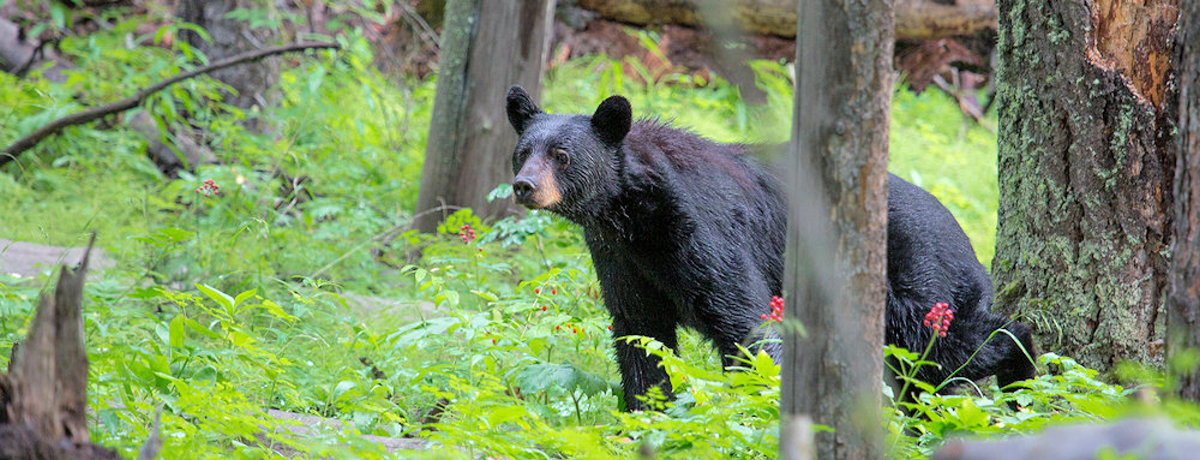
In the high-alpine forests of Yellowstone, the American Black Bear (Ursus americanus) is the charismatic, often misunderstood neighbor to the more famous grizzly. While they share the same wilderness, black bears have carved out a unique niche as the park’s most versatile and agile residents. Where to Find Them: The “Northern Range” Black bears are … Read more