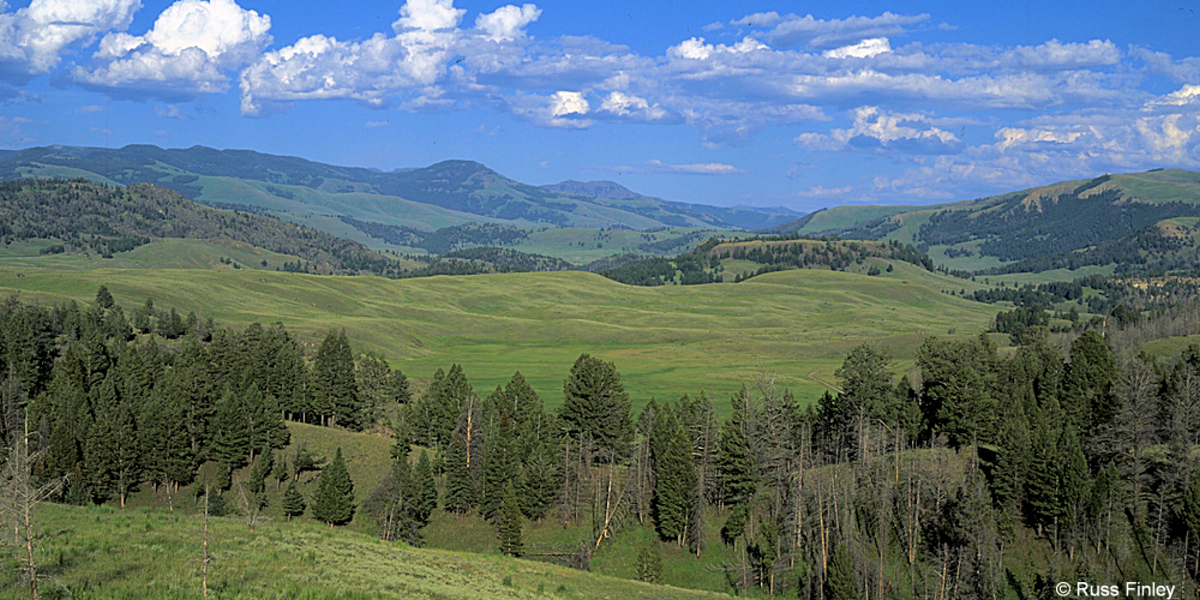
Yellowstone National Park, encompassing 2.2 million acres, is one of America’s premier wilderness areas. Most of the park is backcountry and managed as wilderness. Over 1,100 miles (1770 km) of trails are available for hiking, making it ideal for those interested in hiking adventures. However, there are dangers inherent in wilderness: unpredictable wildlife, changing weather conditions, remote thermal areas, cold water lakes, turbulent streams, and rugged mountains with loose, “rotten” rock. Visiting wilderness means experiencing the land on its terms. If you choose to explore and enjoy the natural wonders of Yellowstone, there is no guarantee of your safety. Be prepared for any situation. Carefully read all backcountry guidelines and regulations.
Yellowstone National Park is a hiker’s paradise, boasting over 900 miles of trails that traverse everything from high-altitude alpine peaks to steaming geyser basins. Whether you’re looking for a casual stroll or a grueling summit, the park offers a diverse landscape that feels “alive” beneath your feet.
Popular Trails for Every Skill Level
Easy & Family-Friendly
- Grand Prismatic Overlook via Fairy Falls Trail: This is a must-do for the iconic aerial view of the park’s largest and most colorful hot spring. The trail to the overlook is relatively flat and short, making it perfect for families.
- Storm Point Loop: A 2.3-mile scenic stroll that leads to a rocky point overlooking Yellowstone Lake. It’s a fantastic spot for birdwatching and enjoying the lake breeze.
- Upper Geyser Basin Boardwalks: While technically a series of boardwalks, this 3-5 mile network takes you past the world’s highest concentration of geysers, including the world-famous Old Faithful.
Moderate Adventures
- Mount Washburn: Arguably the most popular hike in the park, this 6.4-mile round-trip climb offers panoramic views of the Yellowstone caldera. Keep an eye out for bighorn sheep near the summit.
- South Rim Trail: For dramatic views of the Grand Canyon of the Yellowstone, this trail links several viewpoints, including Artist Point and Uncle Tom’s Trail, providing spectacular vistas of the 308-foot Lower Falls.
- Bunsen Peak: A 4.2-mile hike near Mammoth Hot Springs that rewards you with 360-degree views of the Gallatin Range and the Swan Lake Flat.
Strenuous & Backcountry
- Avalanche Peak: This is a steep, 4.5-mile “beast” of a hike that gains significant elevation quickly. The reward is an unmatched alpine view over Yellowstone Lake and the surrounding wilderness.
- Electric Peak: At over 20 miles round-trip, this is reserved for advanced hikers. Standing at 10,969 feet, it is one of the highest peaks in the park and offers a true “bucket list” experience.
Safety in Bear Country
Yellowstone is home to both grizzly and black bears. Safety is not just a suggestion; it’s a requirement for a successful trip.
- Carry Bear Spray: Always have it in an easily accessible holster, not tucked away in your pack. Know how to use it before you hit the trail.
- Hike in Groups: Traveling in groups of three or more significantly reduces the risk of a bear encounter.
- Make Noise: Clap, sing, or talk loudly, especially when approaching blind corners or noisy streams. This prevents startling a bear.
- Keep Your Distance: Federal law requires you to stay at least 100 yards from bears and wolves, and 25 yards from all other wildlife like bison and elk.
When to Go
- Peak Season (July – August): Best for high-elevation trails as the snow has finally melted. Expect heavy crowds at popular trailheads.
- Shoulder Season (September – October): My personal favorite. The crowds thin out, the elk rut begins, and the fall colors are stunning. Most trails remain open through mid-October.
- Spring (May – June): Great for seeing newborn wildlife, but be prepared for muddy trails and lingering snow at higher elevations like Dunraven Pass.
Pro Tip: If you’re visiting in 2026, consider booking a Naturalist Day Hike with a field educator to learn about the park’s unique geology and ecology while you hike.