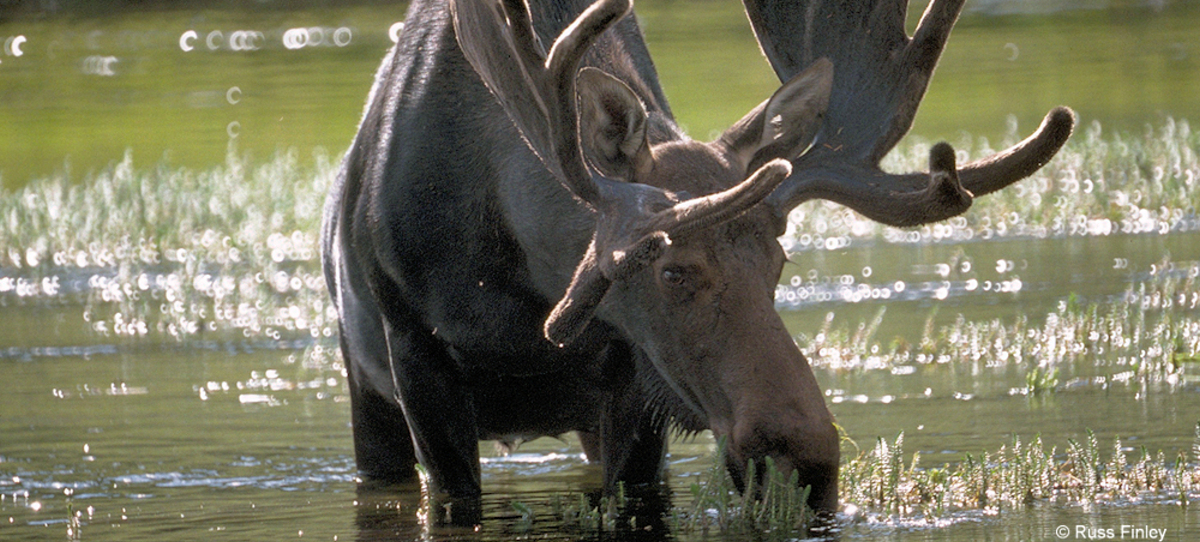
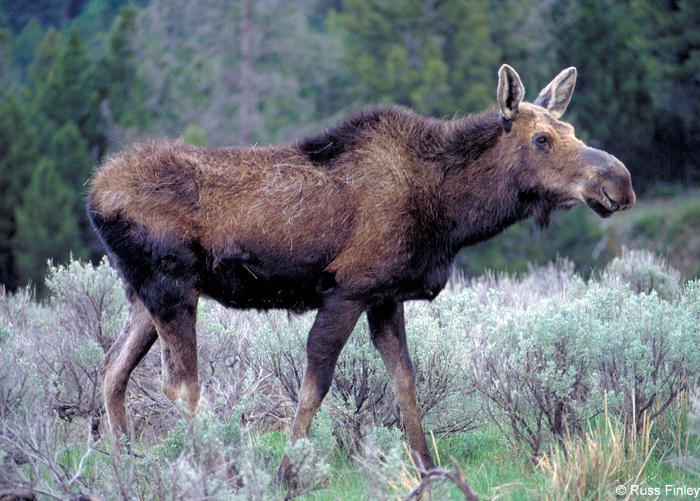
While bison and elk are common sights in Yellowstone, the Moose (Alces alces) is the park’s most elusive “giant.” In 2026, spotting one is considered a major victory for wildlife watchers, as the park’s population is estimated at fewer than 200 individuals.
Where to Find Them
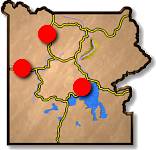
Moose are “browsers” that prefer marshy, riparian areas filled with willows and aquatic plants. Unlike the social elk, moose are solitary and blend perfectly into the shadows.
- The Northeast Entrance: The stretch of road near Pebble Creek and the corridor leading to Cooke City is the most reliable area for sightings.
- Willow Park: Located between Mammoth and Norris, this area is named for the moose’s favorite food source and is a frequent haunt.
- Bechler Region: The remote, wet southwest corner of the park (accessible primarily by hikers) is prime moose habitat.
- Yellowstone Lake: Look along the shoreline, particularly near Pelican Creek and the Southeast Arm.
The “Shiras” Moose: A Unique Subspecies
The moose found in Yellowstone belong to the Shiras subspecies (Alces alces shirasi). They are the smallest of the four North American moose subspecies, though “small” is relative—an adult bull can still weigh up to 1,000 lbs and stand 6 feet tall at the shoulder.
| Feature | Description |
| Antlers | Broad, flat, and “palmate” (shaped like an open hand). Only bulls grow them. |
| The “Bell” | A flap of skin and hair (dewlap) dangling from the throat; its biological purpose is still debated. |
| Coat | Dark brown to black, often with lighter “stockings” on their long legs. |
| Hooves | Massive and splayed, acting like natural snowshoes or paddles for swimming. |
A Population in Transition
The moose population in Yellowstone has declined significantly since the 1970s, when numbers were closer to 1,000.
- The 1988 Fires: The historic fires destroyed much of the mature forest and old-growth fir trees that moose rely on for winter survival.
- Predation & Climate: Increased predation from wolves and grizzly bears, combined with shorter, warmer winters that allow parasites like winter ticks to thrive, has made population recovery a slow process.
Safety First: The “Ornery” Giant
Do not let their slow, awkward appearance fool you. Moose are notoriously unpredictable and are often more aggressive than bears if they feel their space is being invaded.
- The Warning Signs: If a moose pins its ears back, licks its snout, or the hair on its hump (hackles) stands up, it is preparing to charge.
- The Defense: If a moose charges, do not stand your ground. Unlike with bears, you should run and put a large object—like a tree or a vehicle—between you and the animal.
- Distance: Keep at least 25 yards (23 meters) away, though more is always better for these sensitive animals.
Fun Fact: Moose are incredible swimmers. They can dive up to 20 feet deep to reach succulent aquatic plants and can hold their breath for nearly 30 seconds.