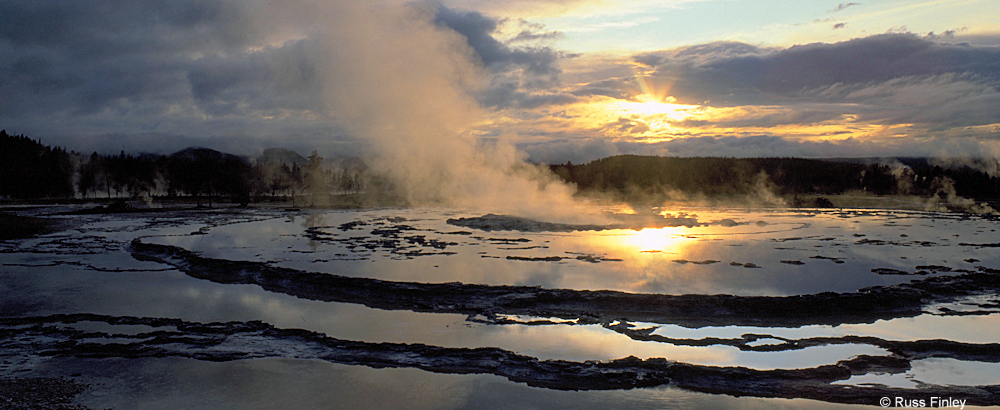
Shoulder Seasons: Best for Mild Weather and Fewer Crowds
The months just before and after the peak summer season are often considered the sweet spot:
- Late April/May: Offers opportunities for seeing baby animals like bear cubs and elk calves as they emerge from winter . The landscape starts turning green, and crowds are generally lighter than in summer. Be prepared for unpredictable weather—snow, mud, and chilly temperatures are still possible, especially in early spring. Most park roads typically open by mid-May .
- September/Early October: Provides a good balance of milder weather and significantly fewer crowds after Labor Day . Wildlife is very active, preparing for winter, and it is the prime time for viewing the elk and moose rut (breeding season), which features the sounds of bugling elk . Fall foliage is best in late September to early October .
☀️ Summer: Best for Accessibility and Warmest Weather
- June, July, and August are the peak season with the warmest, most dependable weather.
- All roads and facilities are open, providing the greatest accessibility for hiking and exploring all parts of the park.
- Be prepared for crowds, especially at major landmarks like Old Faithful and at park entrances. Traffic jams are common.
❄️ Winter: Best for Solitude and Unique Views
- Mid-December through Mid-March is the low season, with the least amount of visitors.
- The park transforms into a winter wonderland, with incredible contrast between the steamy hot springs and the snowy landscape.
- It’s the best time for wildlife viewing in the Northern Range (Lamar Valley), particularly for spotting wolves, bison, and elk.
- Most roads are closed to regular vehicles, but you can access areas via snowmobiles or snowcoaches. The road between Gardiner, MT, and Cooke City, MT (Northern Entrance), remains open to cars year-round.